Ann Arbor top home remodeling contractor for Kitchen and Bathroom Renovations
Home Redesign: Convert Your Space Into Your Perfect Home
Home renovation offers a straightforward approach to improving both function and aesthetics in living spaces. It enables homeowners to personalize their spaces and possibly boost property value. However, achieving the desired results demands thorough planning and adherence to a budget. Comprehending design styles and choosing the right contractors are vital steps in this process. As homeowners start this journey, they must consider what they truly wish to achieve. The path ahead holds several significant factors to explore.
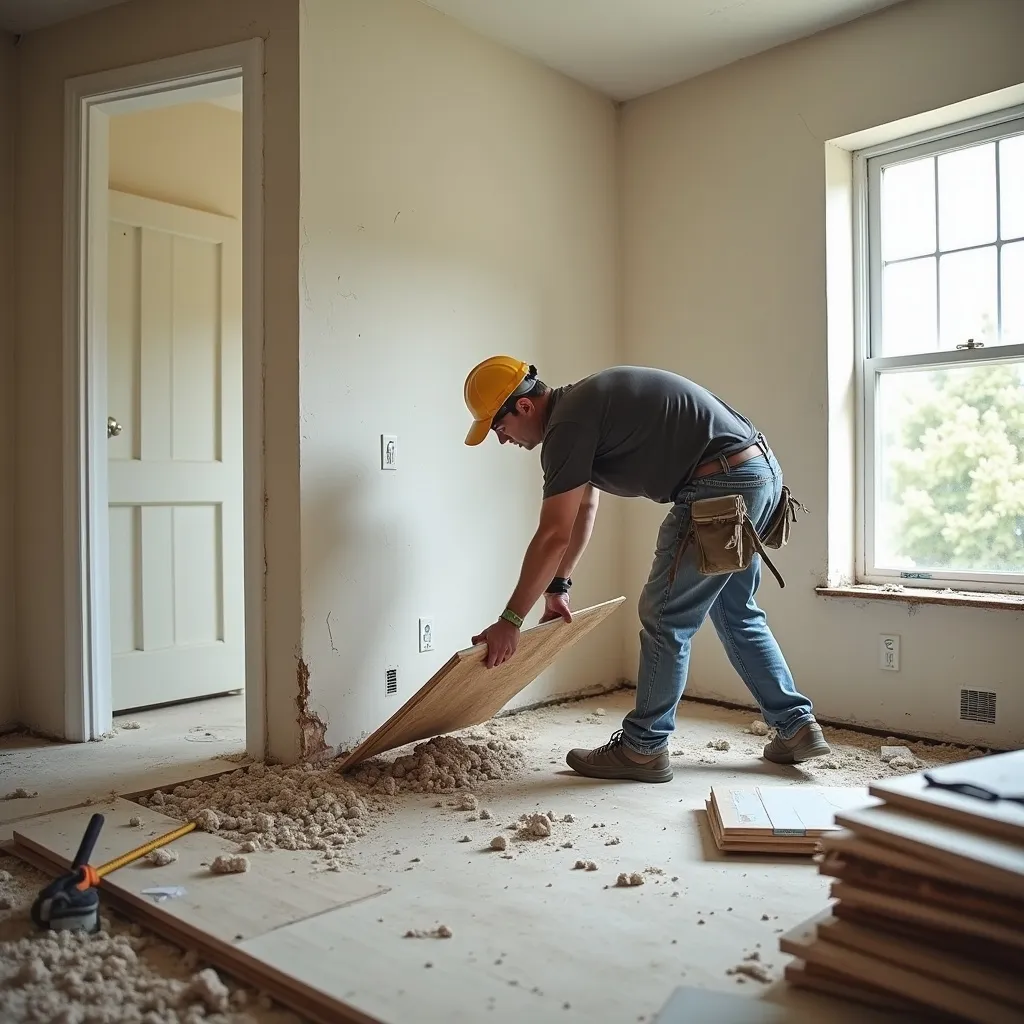
What Are Your Goals for Your Home Remodeling?
What targets does one have in mind when embarking on a home remodeling project? Individuals often seek to boost functionality, improve aesthetics, or raise property value. Some may seek a more open layout to promote social interactions, while others aim to create a serene retreat within their home. Specific objectives can include upgrading outdated spaces, including energy-efficient elements, or extending living areas to accommodate growing families.
Additionally, a property owner might seek to customize their surroundings to reflect their aesthetic and preferences, rendering it an true expression of themselves. Safety and accessibility can also be significant factors, notably for those with aging relatives or disabilities. Ultimately, the goals of a renovation project serve as the bedrock for making informed choices, guiding choices in visual design, selections, and comprehensive completion. Understanding these aspirations is imperative for achieving a transformative transformation that meets both practical needs and personal desires.
Approaches to Create a budget for Your Home Renovation Project
Budgeting for a home renovation project requires meticulous preparation and thought. It is crucial to establish an overall budget, rank necessary upgrades, and allow for unexpected costs that may arise. By tackling the budgeting procedure systematically, homeowners can accomplish their goals without financial strain.
Set Your Aggregate Budget
Before starting a home renovation project, it is essential to establish an total budget that aligns with both fiscal limitations and renovation goals. Homeowners should commence by assessing their finances to understand how much they can practically allocate for the project. This includes examining savings, income, and potential financing options. It is also wise to account for unexpected expenses, typically 10-20% of the total budget, to manage unforeseen issues that may arise during renovation. Additionally, homeowners should study the costs associated with various materials and labor in their area, making possible informed decisions. By establishing a clear budget, homeowners can maintain focus on their renovation goals and avoid the stress of overspending.
Focus on Essential Upgrades
After establishing a firm budget, homeowners can turn their focus to identifying which upgrades that will deliver the most value and utility in their space. Prioritizing necessary upgrades means checking areas that need immediate fixing, including outdated plumbing and electrical installations, which could create safety risks. Since kitchen and bathroom renovations often provide strong returns on investment, it is wise to allocate funds for modernizing these sections of the home. In addition, increasing energy efficiency with better windows, insulation, or appliances can reduce costs over time. Homeowners must also take into account lifestyle needs, including designing open spaces for family gatherings or specific work areas. Homeowners maximize remodeling impact and keep within budget by thoughtfully choosing upgrades that fit both present demands and future aspirations.
Consider Unforeseen Expenditures
Preparing for unforeseen expenses is vital for property owners starting a renovation project. Budgets can rapidly grow tight when unexpected problems occur, including structural problems, aging electrical systems, or concealed moisture issues. Experts recommend reserving an additional 10 to 20 percent of the total budget to account for these contingencies. Property owners should also think about potential price fluctuations in supplies and workmanship. Investigating local contractors and getting several quotes can provide a clearer picture of anticipated costs. Additionally, keeping clear dialogue with construction professionals throughout evaluation the project enables you to catch and fix problems promptly. By strategically planning for these unforeseen expenses, homeowners can make sure that their remodeling project stays on track, ultimately transforming their space without financial strain.
What Design Options Fit Your Home Renovation?
Throughout the world of home remodeling, aesthetic preferences represent an essential component in molding the overall aesthetic. Homeowners can settle on from a range of options, comprising modern minimalist aesthetics, cozy rustic charm, and elegant traditional touches. Each design choice imparts its own special character, impacting both the atmosphere and function of the space.
Up-to-date Minimalist Aesthetics
Contemporary reductive design offers an stimulating strategy to house renovation, characterized by straightforwardness and usefulness. This aesthetic approach emphasizes open spaces, straight edges, and a restrained selection of colors, often presenting muted shades that foster a sense of calm. Furnishings and decor are intentionally chosen, yielding an uncluttered environment that enhances overall equilibrium. Organic elements, such as lumber and stone, regularly function in a significant capacity, lending warmth while keeping a refined aesthetic. Light sources is thoughtfully planned, frequently employing sizeable glass openings to maximize natural light. In a contemporary simple home, each element has a function, adding to a unified look that demonstrates the homeowner's values of distinctness and efficiency. This design encourages tranquility, rendering it ideal for contemporary living.
Cozy Rustic Charm
Embracing the essence of warmth and ease, cozy rustic charm serves as a popular choice for homeowners looking for a more inviting atmosphere. This design style often incorporates natural materials, such as reclaimed wood, stone, and soft textiles, creating a natural feel. Earthy color palettes—think warm browns, soft greens, and muted reds—enhance the link to nature.
Key components feature uncovered wooden supports, oversized furniture, and vintage accessories, which generate a sense of nostalgia. Fireplaces function as key features, assembling families in communion in a relaxed environment. Additionally, blending modern amenities with rustic characteristics facilitates functionality without compromising charm. Overall, warm rustic style reshapes spaces into calm havens, making it an appealing option for those aiming to infuse their homes with soul and coziness.
Polished Time-honored Accents
While many homeowners seek comfort through rustic designs, others see allure in the polished charm of traditional styles. This design strategy stresses timeless elements such as ornate moldings, traditional decor, and deep color palettes. Traditional spaces often feature harmonious arrangements and orderly setups, building a sense of order and class. Incorporating vintage or classic pieces can enhance authenticity, while luxurious fabrics like silk and velvet add complexity and texture. Architectural details, such as coffered ceilings and paneling, provide an overall sense of grandeur. Homeowners embracing this style often prefer warm, inviting spaces that reflect their heritage or personal history, making traditional design a lasting choice for those seeking to create a sense of elegance in their remodeled homes.
Guidance on Selecting the Perfect Professionals for Your Home Renovation?
Selecting the right professionals for residential renovation can greatly impact the outcome of a undertaking. Homeowners should start by investigating nearby professionals and verifying their qualifications, including licenses and coverage. Reading web-based feedback and requesting recommendations from friends or family can offer useful information into a professional's reputation.
It's critical to speak with multiple candidates next to assess their communication abilities and professionalism. Homeowners must request comprehensive quotes and timelines to ensure transparency. A quality builder should be prepared to respond to inquiries and supply a thorough grasp of the project scope.
Additionally, examining completed undertakings or portfolios can benefit homeowners appraise a contractor's style and proficiency of work. Finally, faith and rapport are important; a contractor's temperament and willingness to team up can greatly influence the remodeling experience. By adopting these practices, homeowners can make informed decisions that harmonize with their vision for their dream home.
What Key Advice Should You Follow for a Successful Home Remodeling?
How can property owners ensure a successful home renovation undertaking? First, creating a well-defined plan is essential. Homeowners should define their objectives and preferences, making sure all stakeholders comprehend the intended outcome. Subsequently, establishing a practical financial plan helps mitigate unexpected expenses. It is crucial to incorporate a contingency fund for unforeseen challenges.
Clear communication with contractors is essential; homeowners must articulate their requirements and goals distinctly. Consistent updates and on-site inspections can improve this interaction. Additionally, studying products and styles will empower property owners to make informed decisions, balancing aesthetics and functionality.
Finally, obtaining necessary permits guarantees adherence to local laws, avoiding future issues. By following these tips, homeowners can manage the intricacies of renovation, ultimately converting their area into a ideal residence.
Strategies to Preserving Your Just Renovated Home?
After dedicating effort and capital into a home renovation, homeowners must emphasize ongoing maintenance to preserve their newly transformed space. Regular cleaning is crucial; using appropriate products for various materials will prevent damage and deterioration. For example, hardwood floors require specialized products that protect the finish, while countertops may require particular care to avoid stains.
Moreover, homeowners should carry out routine seasonal assessments to resolve any concerns early. This involves checking for leaks, caring for HVAC systems, and making sure outdoor drainage is operating properly. Consistent maintenance of appliances and fixtures will also increase their lifespan.
Furthermore, it is wise to establish a maintenance timetable, specifying tasks such as touching up paint or renewing sealant on surfaces when required. By investing time in these routines, homeowners can maintain the visual appeal and functionality of their remodeled spaces, ultimately increasing their property’s value and comfort for the coming years.
Popular Inquiries Posed Regularly
How long Does a Typical Home Remodeling Project Take?
A conventional home renovation project may consume anywhere from a few weeks to several months, depending on the scope, complexity, and size of the renovation. Each endeavor fluctuates based on individual demands and unforeseen challenges.
What Licenses Are Needed for Home Renovation?
Generally, permits needed for house renovation encompass building, electrical, plumbing, and mechanical permits. Local regulations may differ, so it's critical for homeowners to reach out to their municipality to ensure compliance with all required standards and guidelines.
What Approaches Can Assist Me Minimize Disruptions In the Course of Remodeling?
To lessen interruptions during remodeling, one can build transparent communication with contractors, set defined time blocks, designate a separate living area, and preserve a tidy workspace. Preparing in advance helps ensure a smoother remodeling process.
Which Typical Errors Should Homeowners Prevent When Remodeling?
Frequent missteps to circumvent in home renovation involve underestimating budgets, overlooking permits, omitting detailed planning, choosing the incorrect products, overlooking timelines, and failing to engage in effective communication with building professionals, which can lead to costly setbacks and unsatisfactory results.
What Strategies Can Help Me Handle Unexpected Expenses During Renovation?
To address unexpected expenses during remodeling, one should maintain a emergency budget, communicate freely with builders, focus on necessary improvements, and stay flexible in decision-making. This approach assists with managing budgets and minimizes anxiety throughout the process.